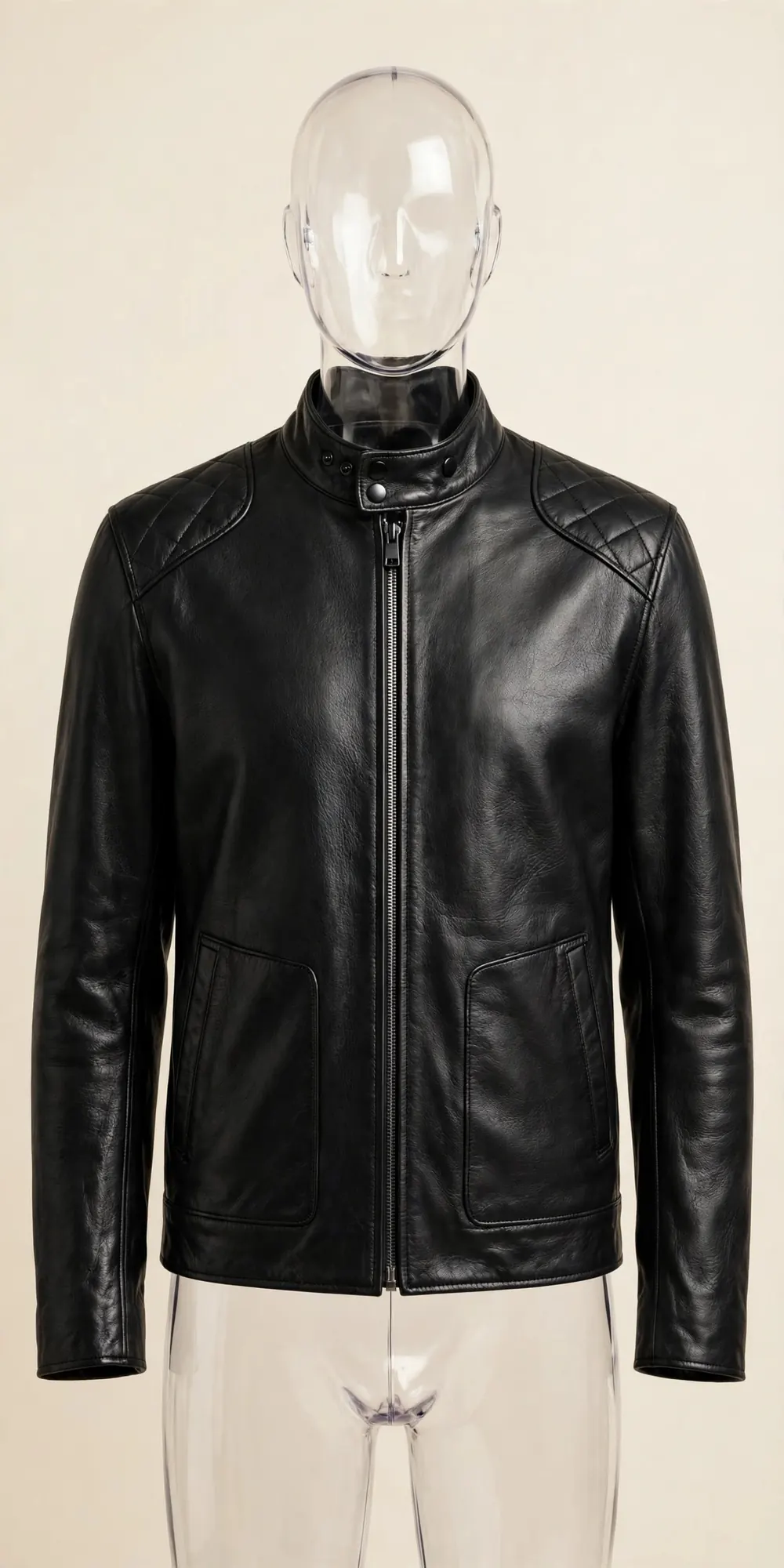
Genuine Leather Jackets
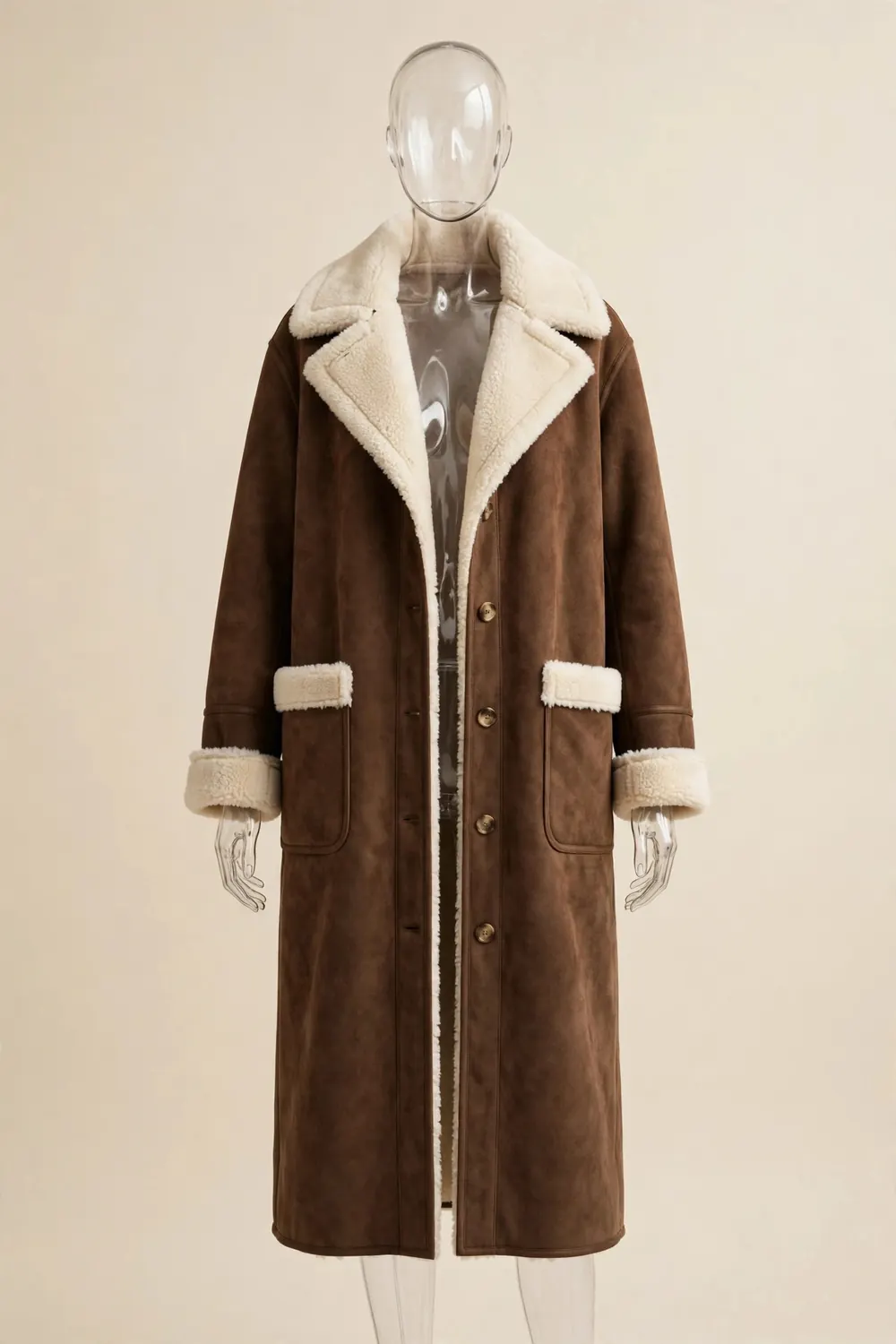
Every jacket in this collection is made from real animal leather — cowhide, top-grain leather, lambskin, goat suede or shearling sheepskin — and every product page tells you which one, how thick it is, and how it is lined and finished. That transparency matters, because 'leather' covers a wide range of quality. Full-grain is the top layer of the hide with its natural surface intact; top-grain is lightly corrected for an even finish; the material sold simply as 'genuine leather' is a real leather layer below the top grain. Our Leather & Materials Guide explains each grade in full, including suede, bonded leather and synthetics.
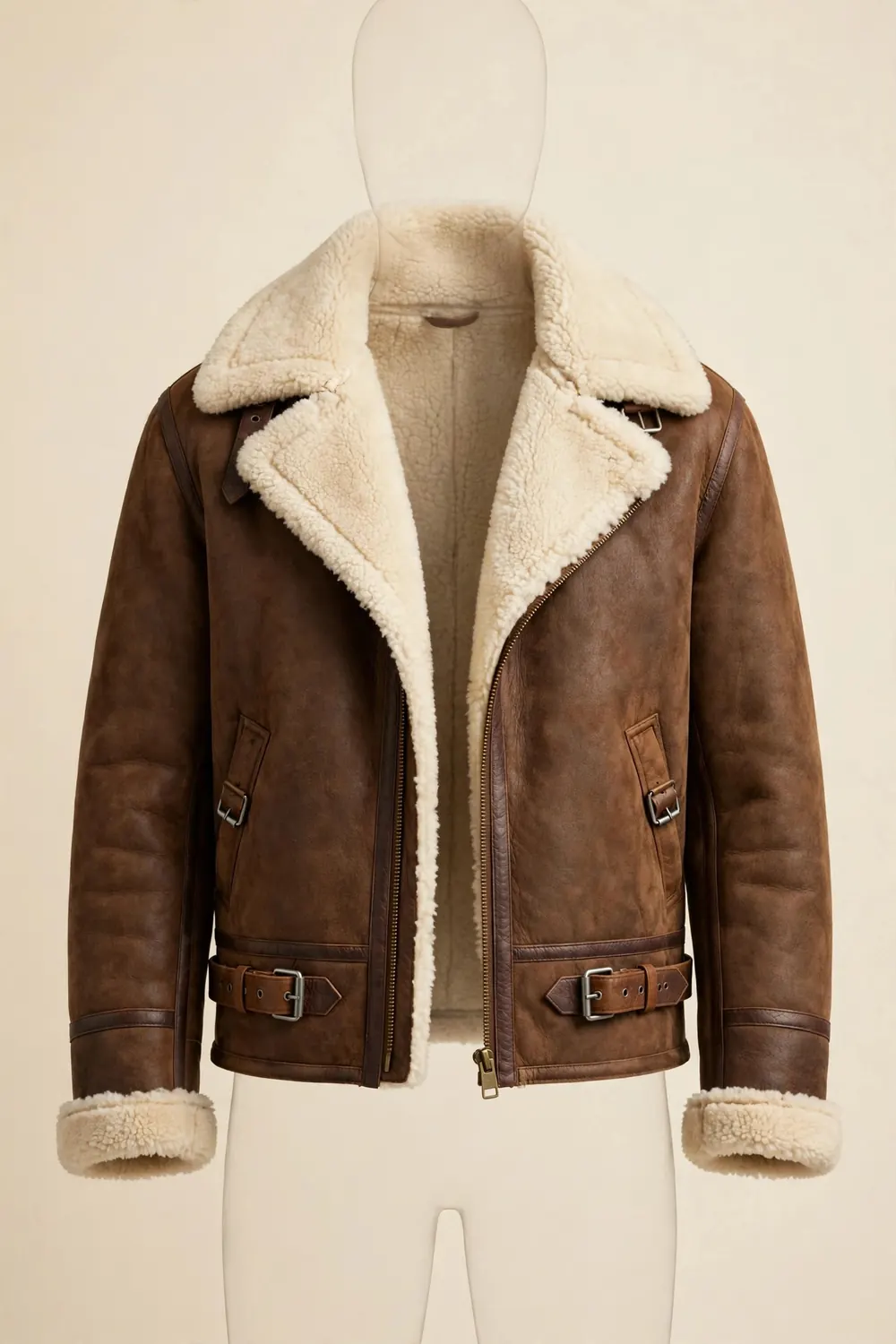
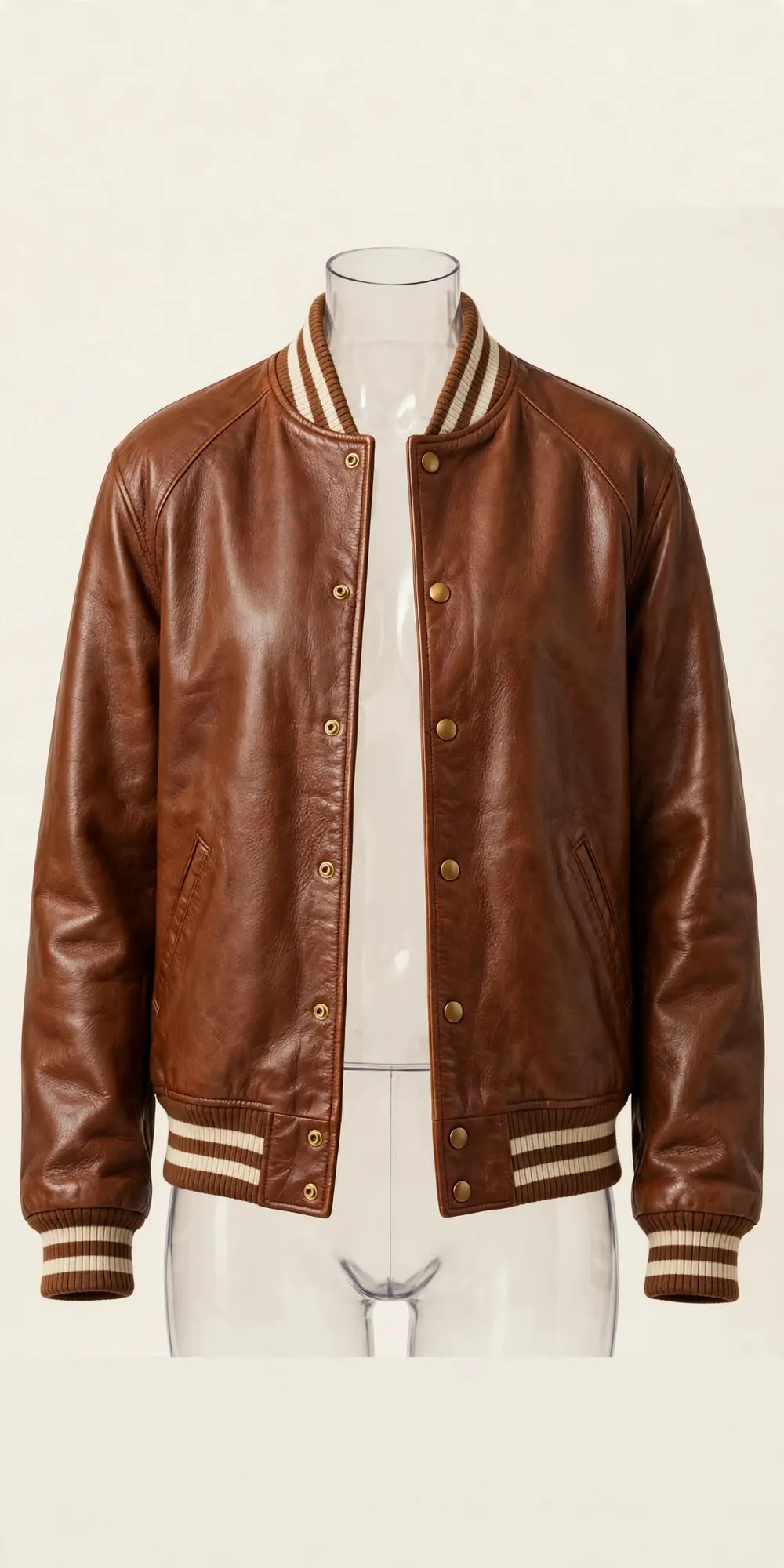
Why choose genuine leather at all? Three reasons: it lasts, it adapts, and it ages well. A well-made cowhide jacket routinely serves for fifteen to twenty-five years. Lambskin moulds to your shape within weeks. Suede develops a rich, personal tone. Shearling — a single pelt with the wool left on — insulates in a way no synthetic filling matches. None of these materials peels or cracks the way coated synthetics eventually do; instead they crease, soften and take on patina, which is why a ten-year-old leather jacket usually looks better than a new one.
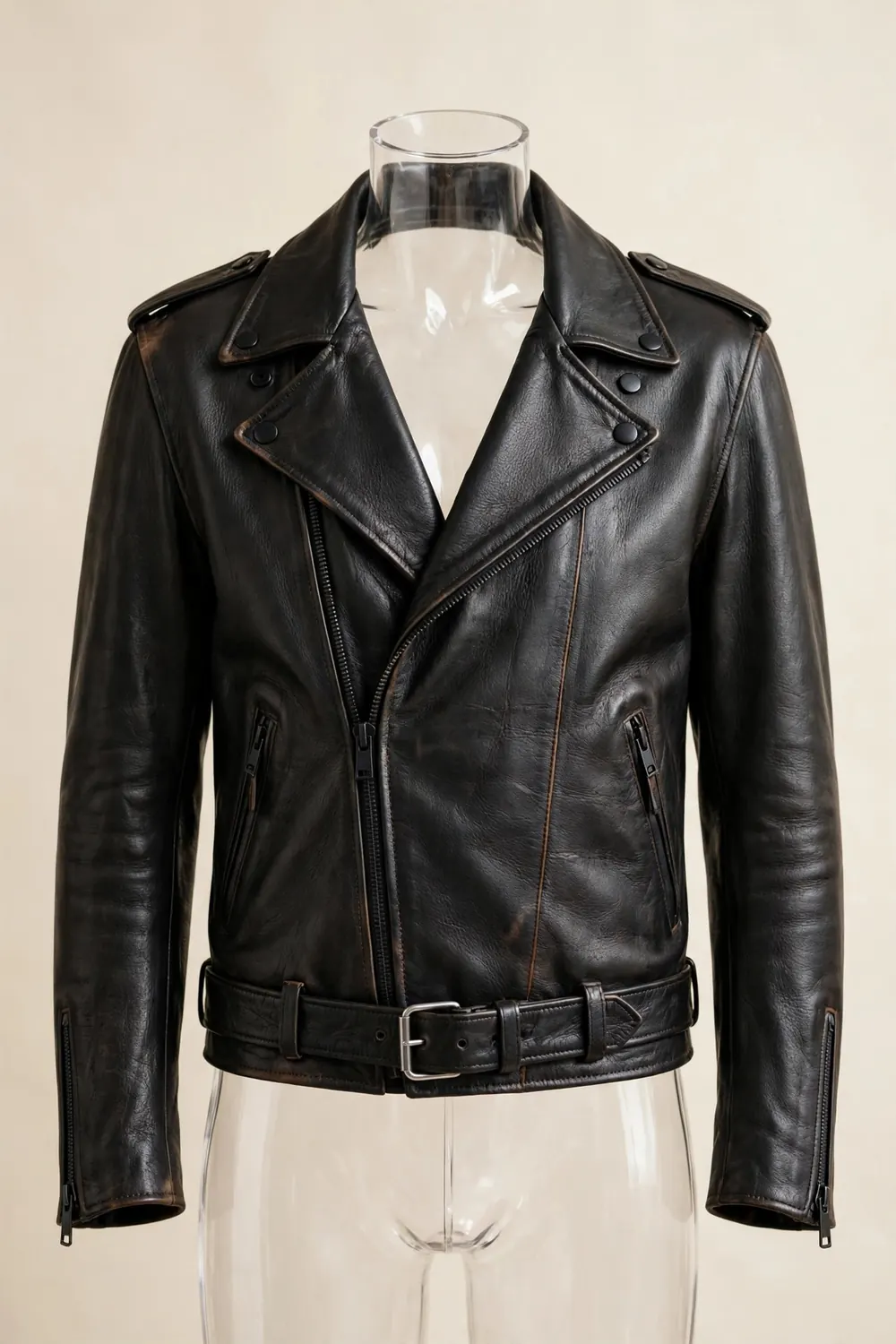
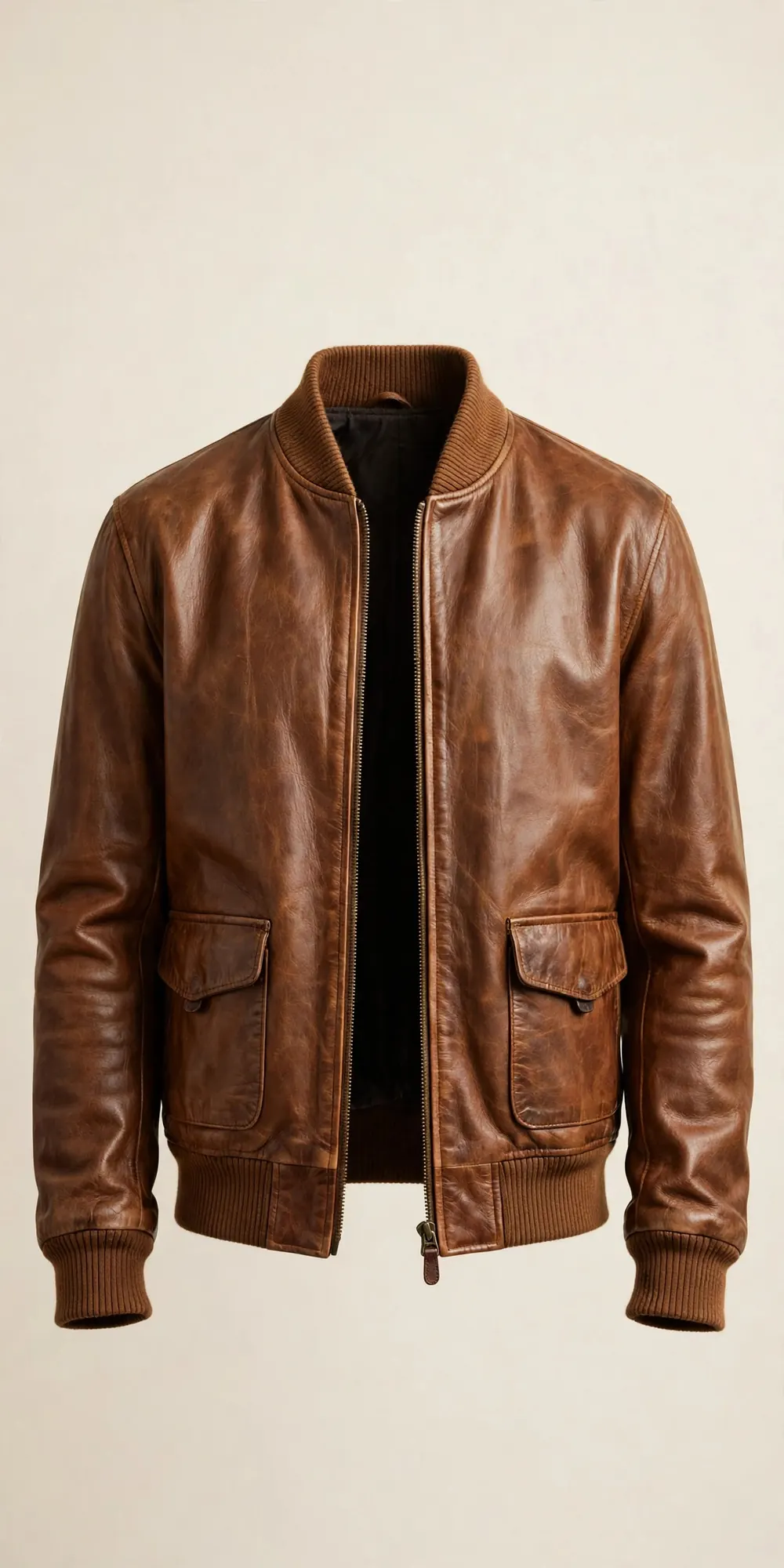
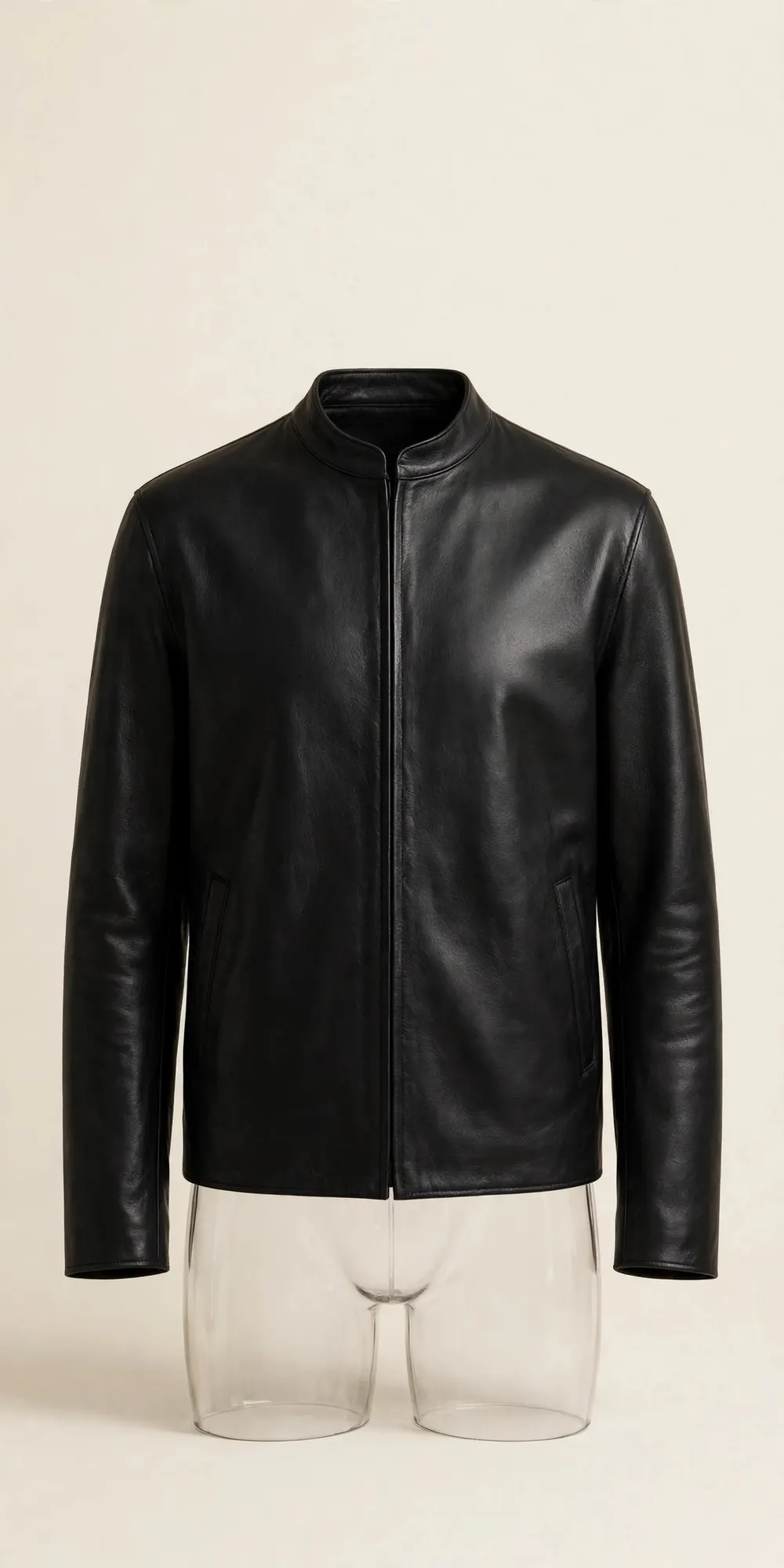
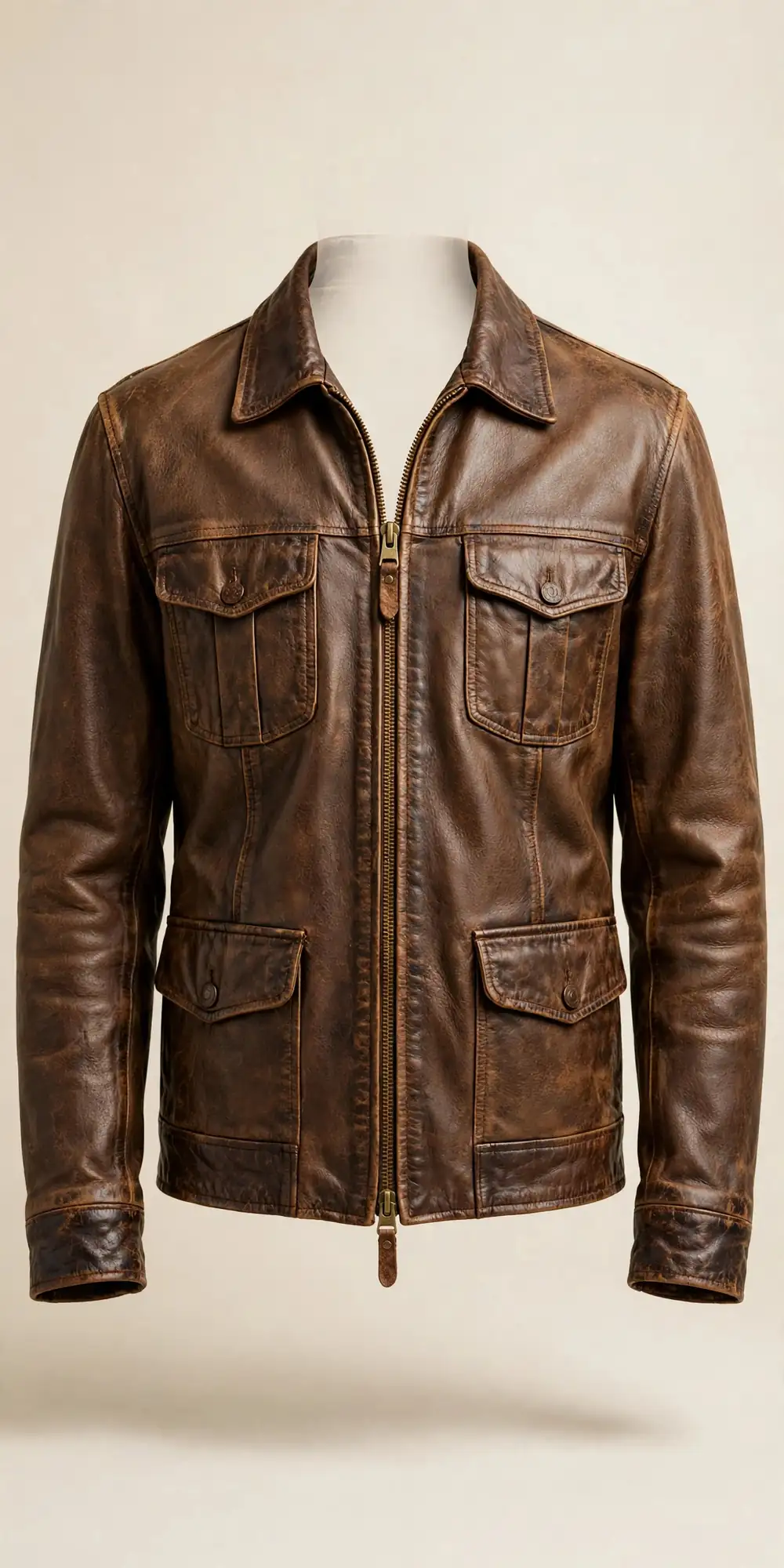
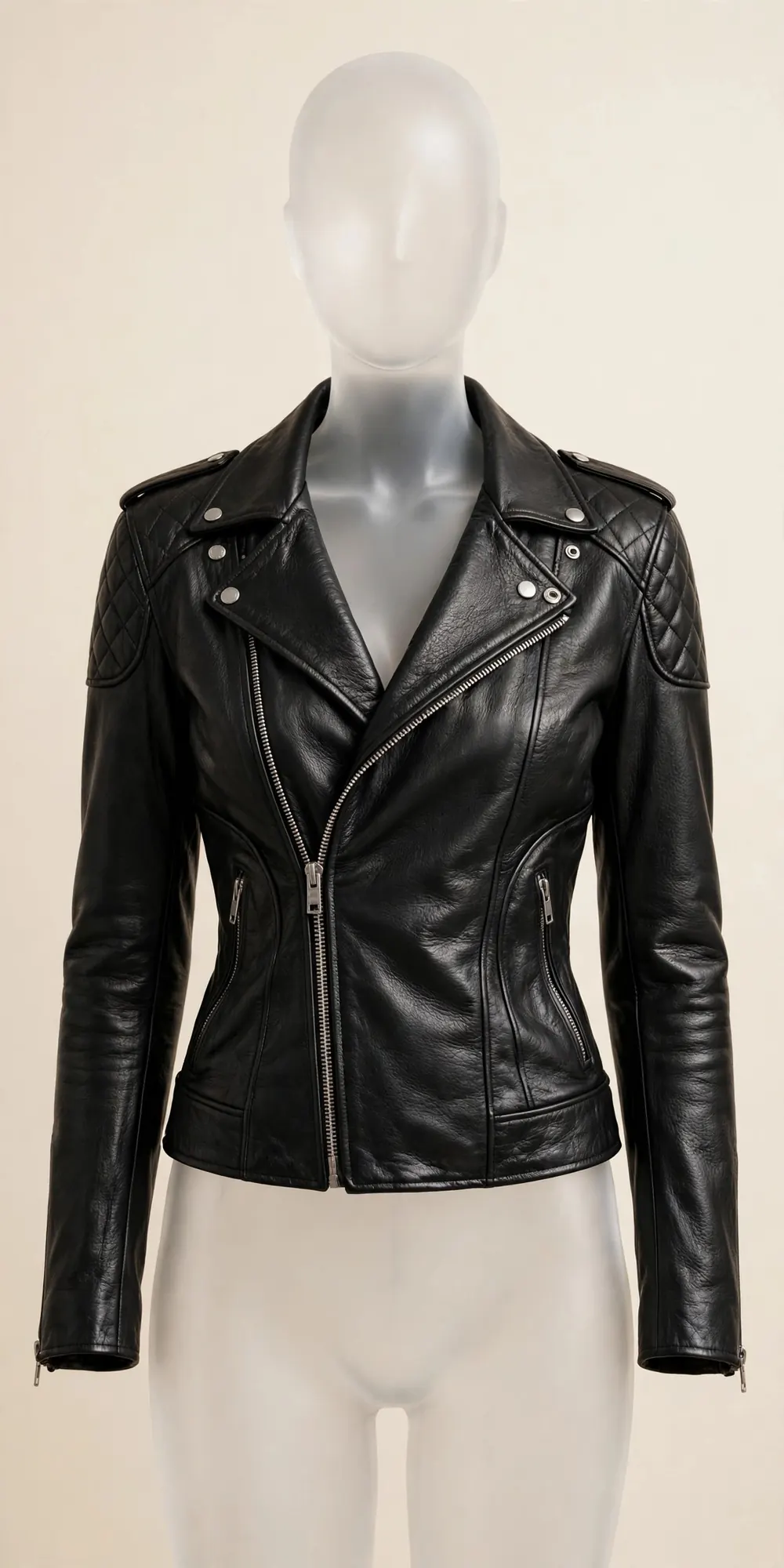
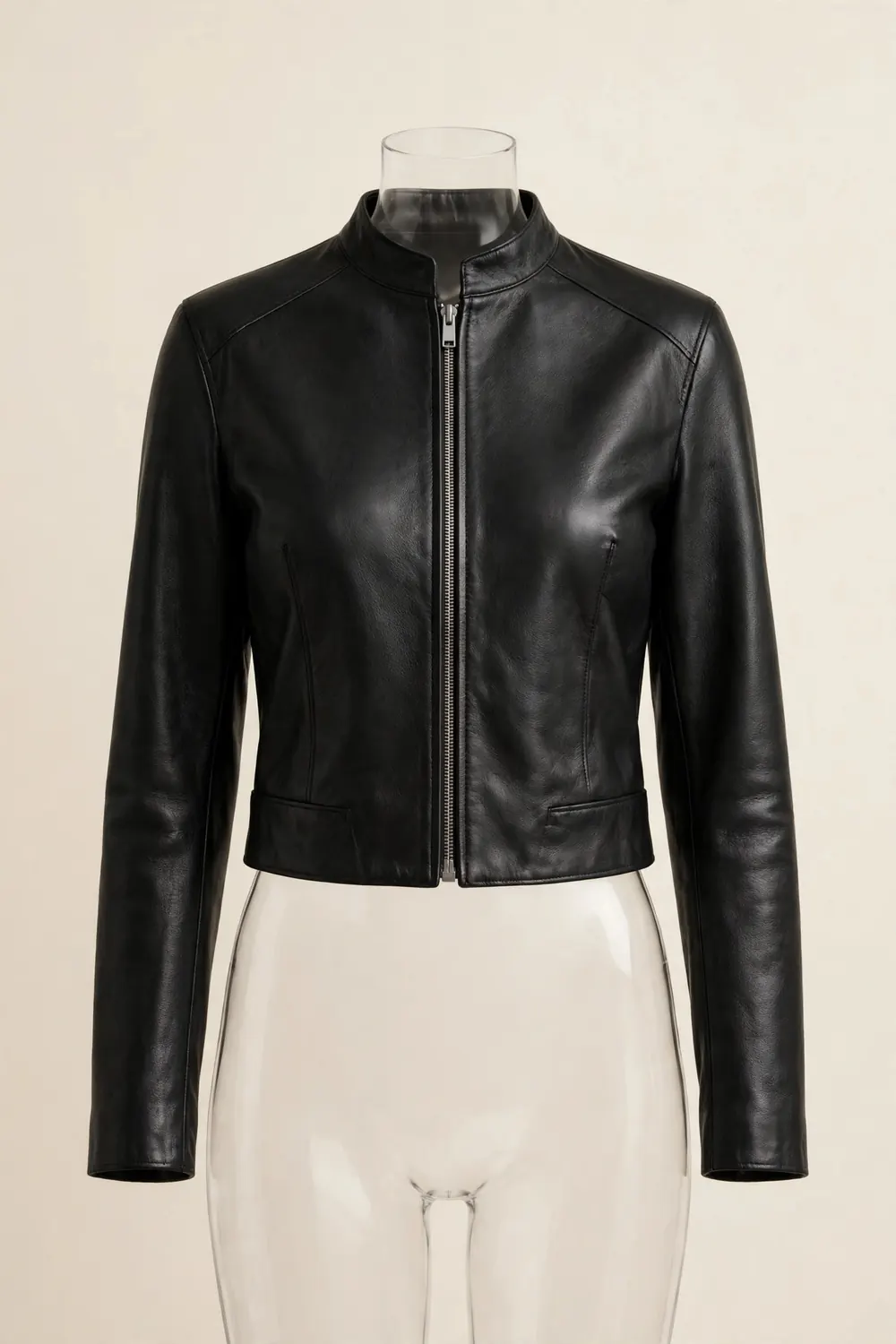
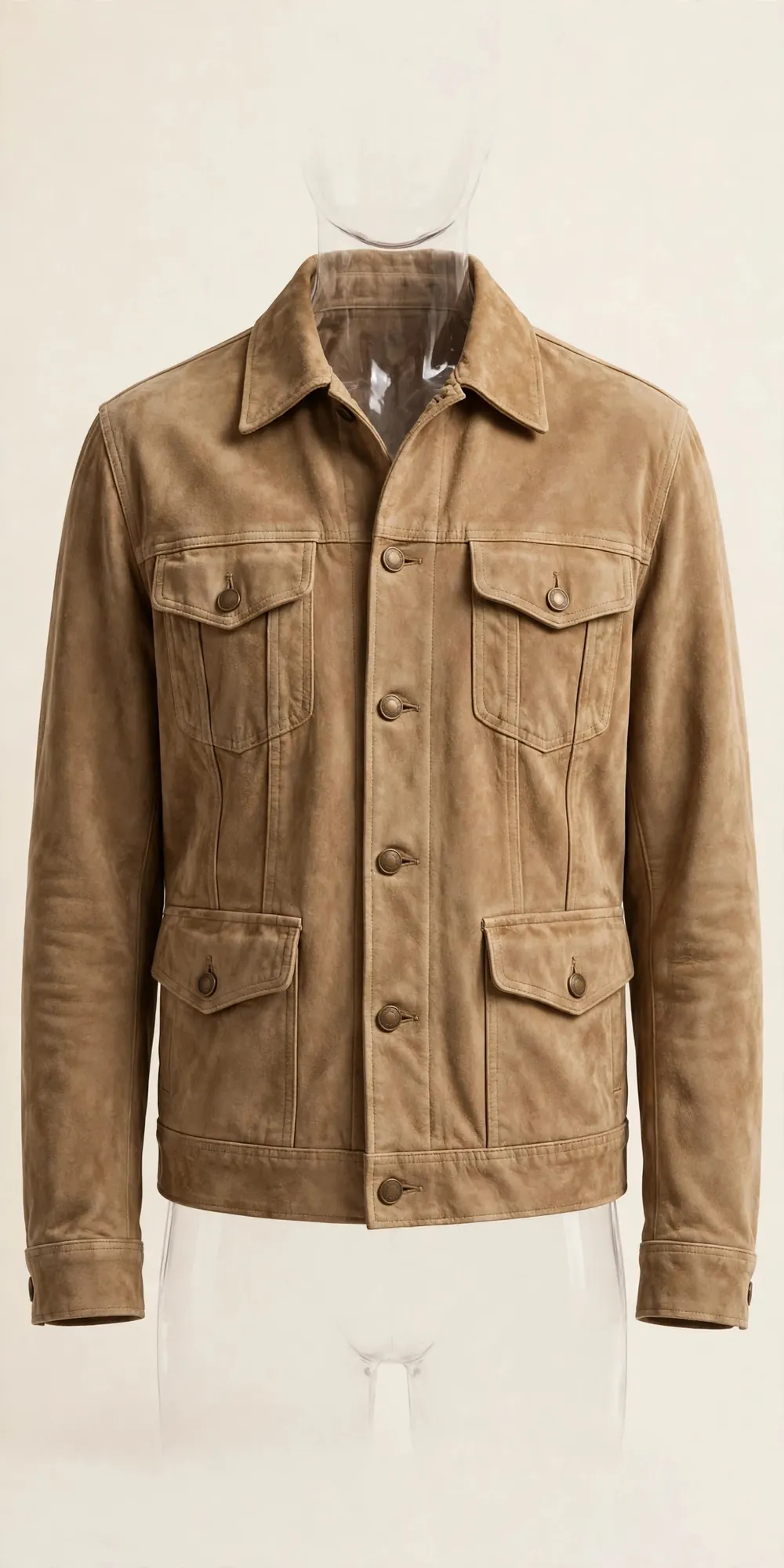
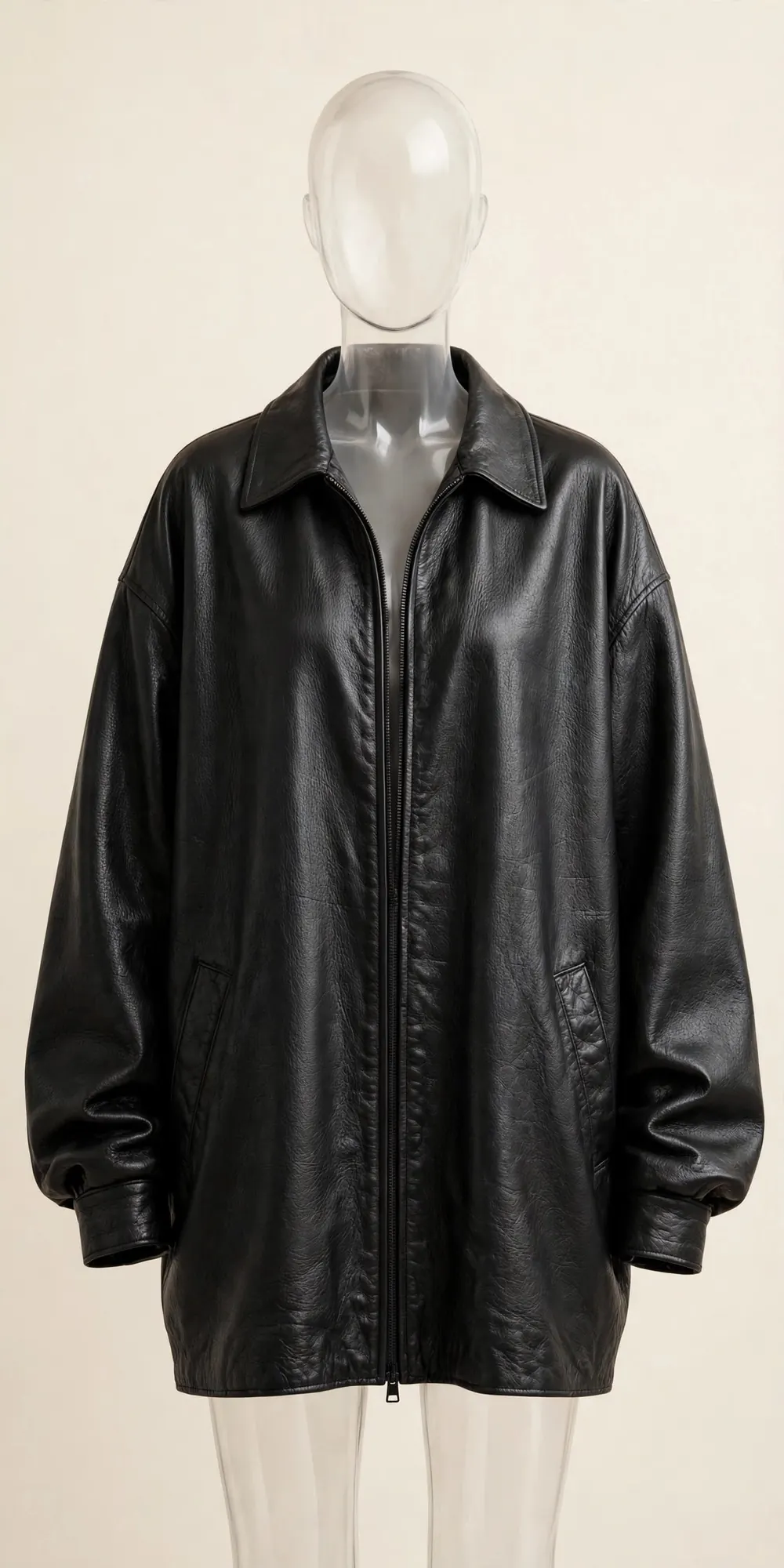
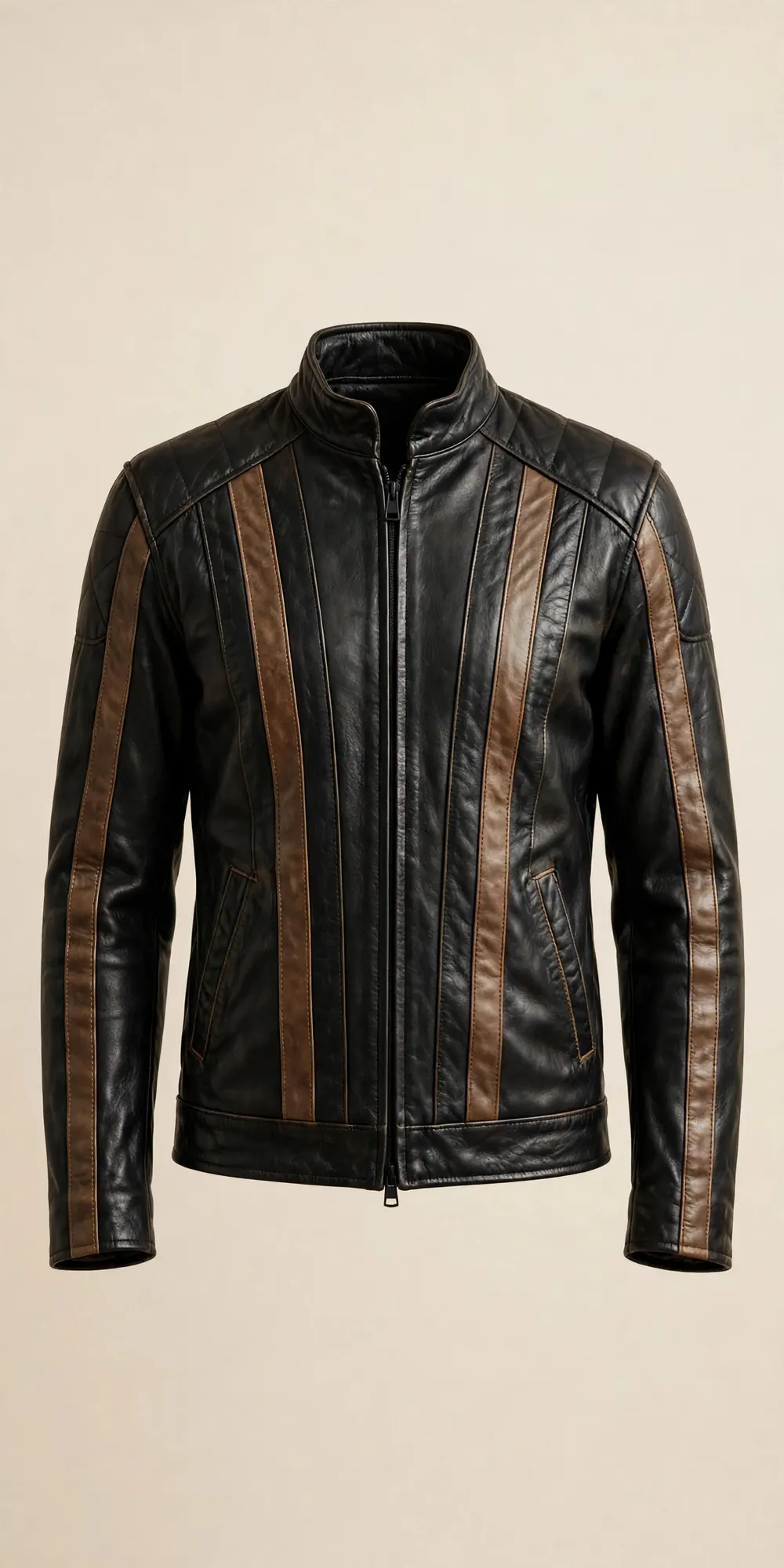
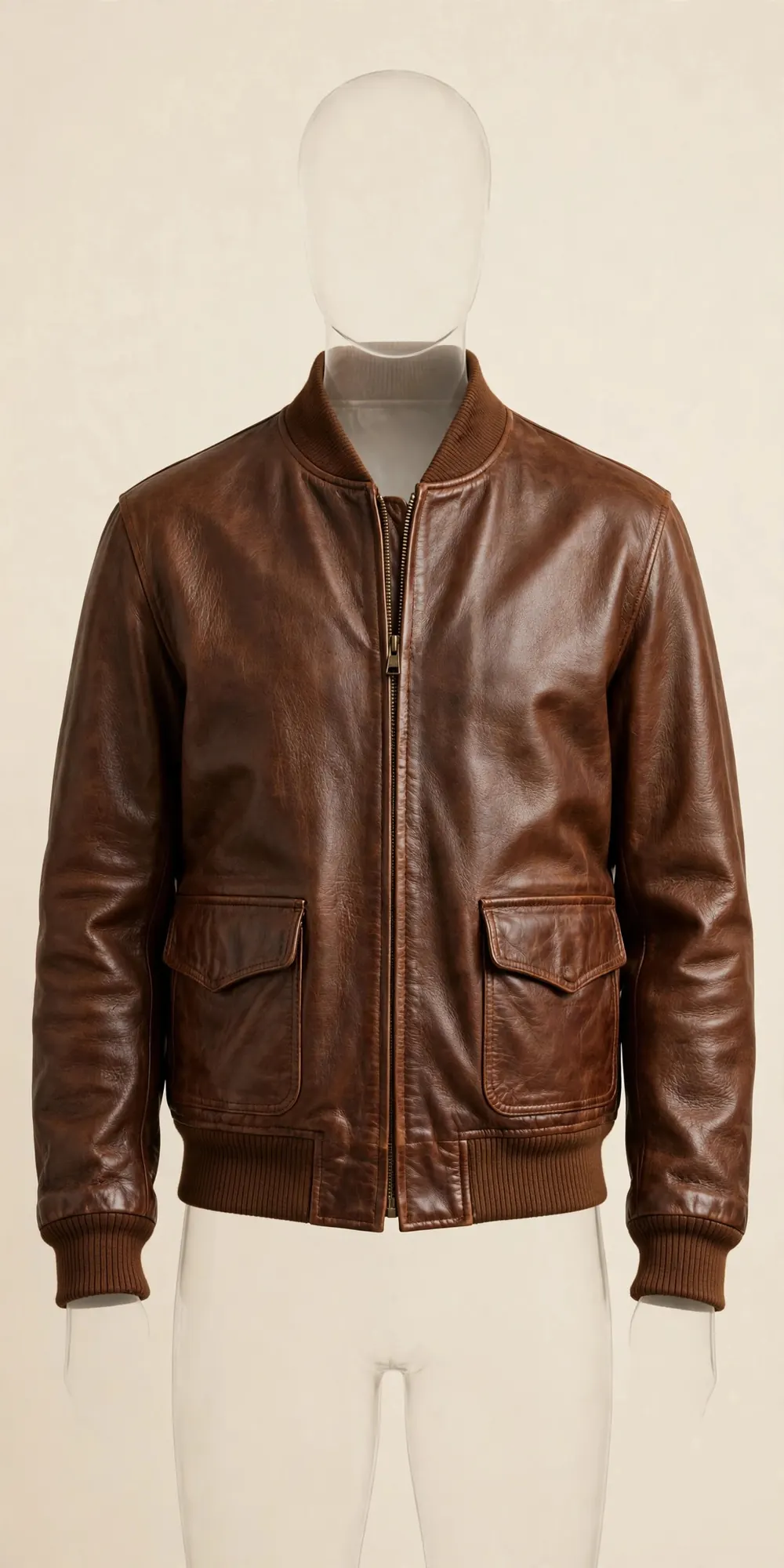
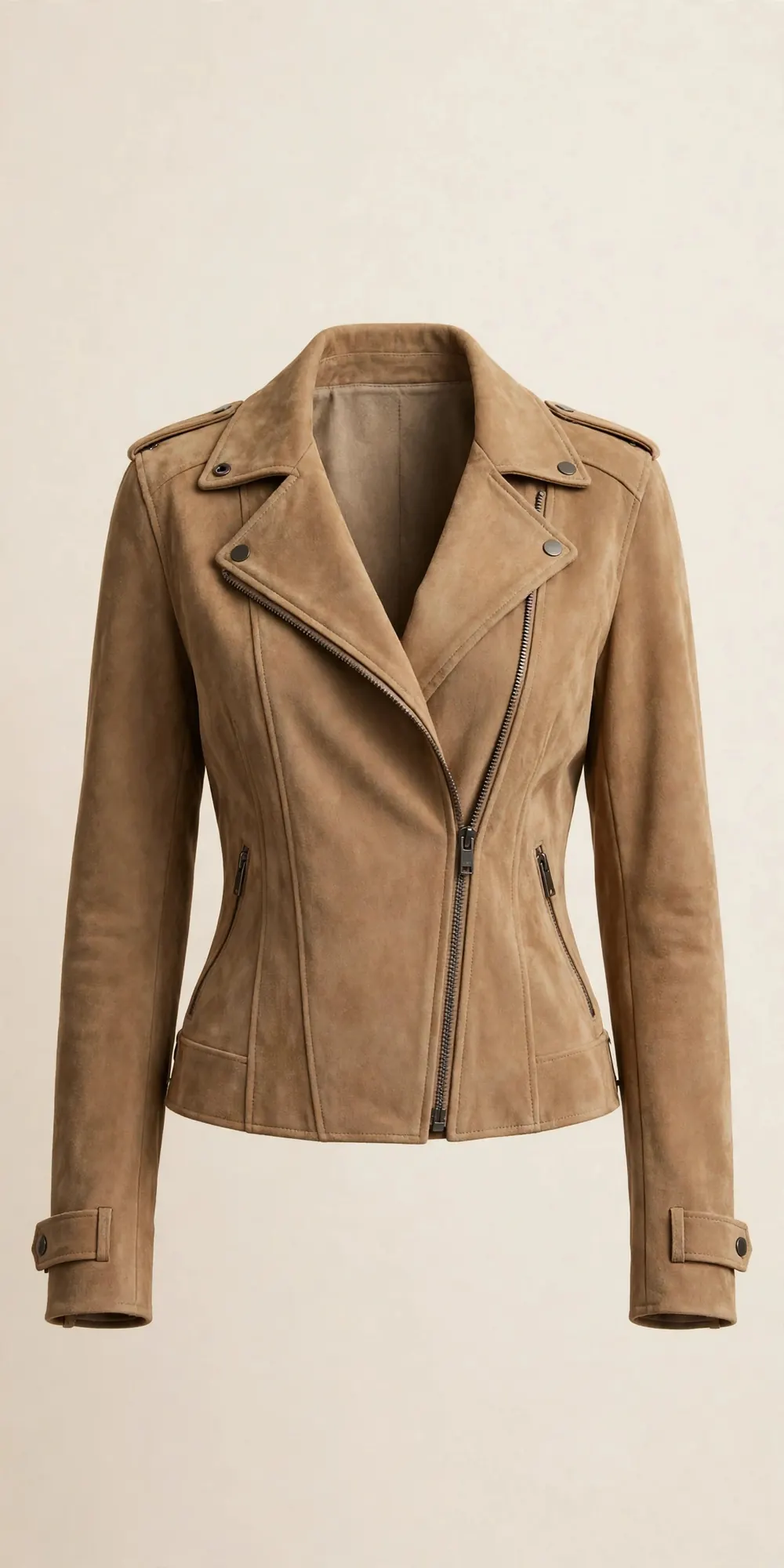
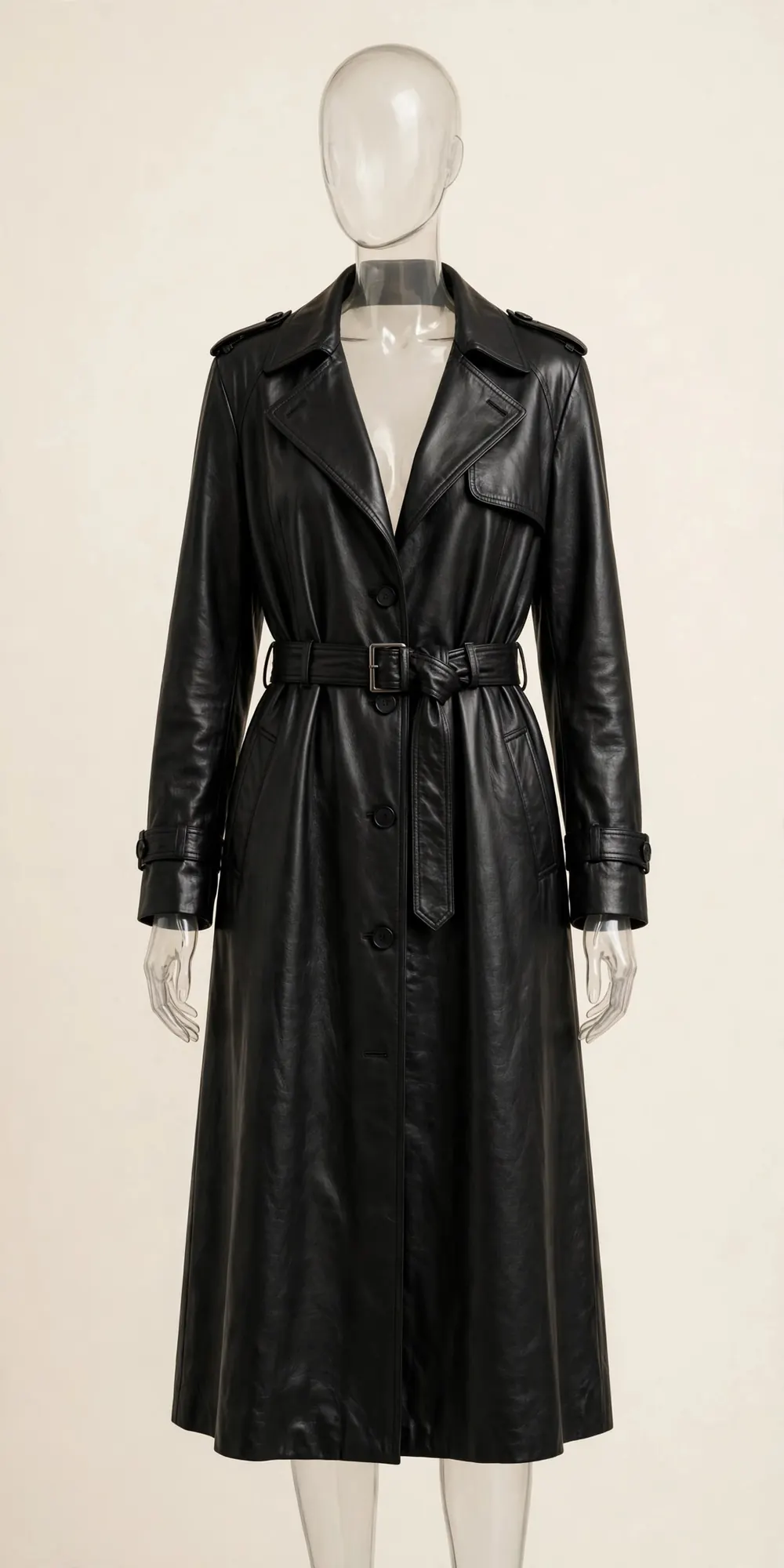
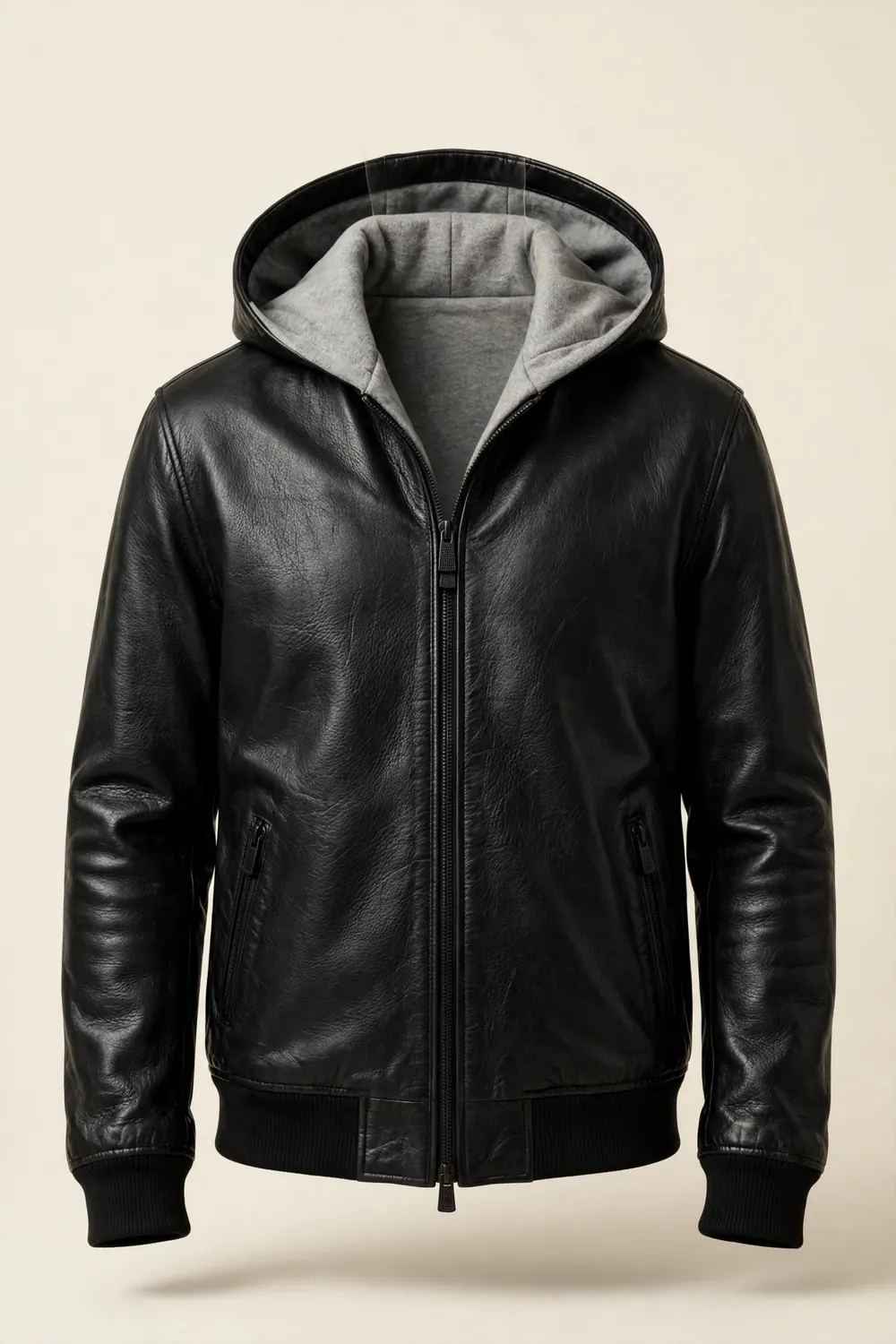
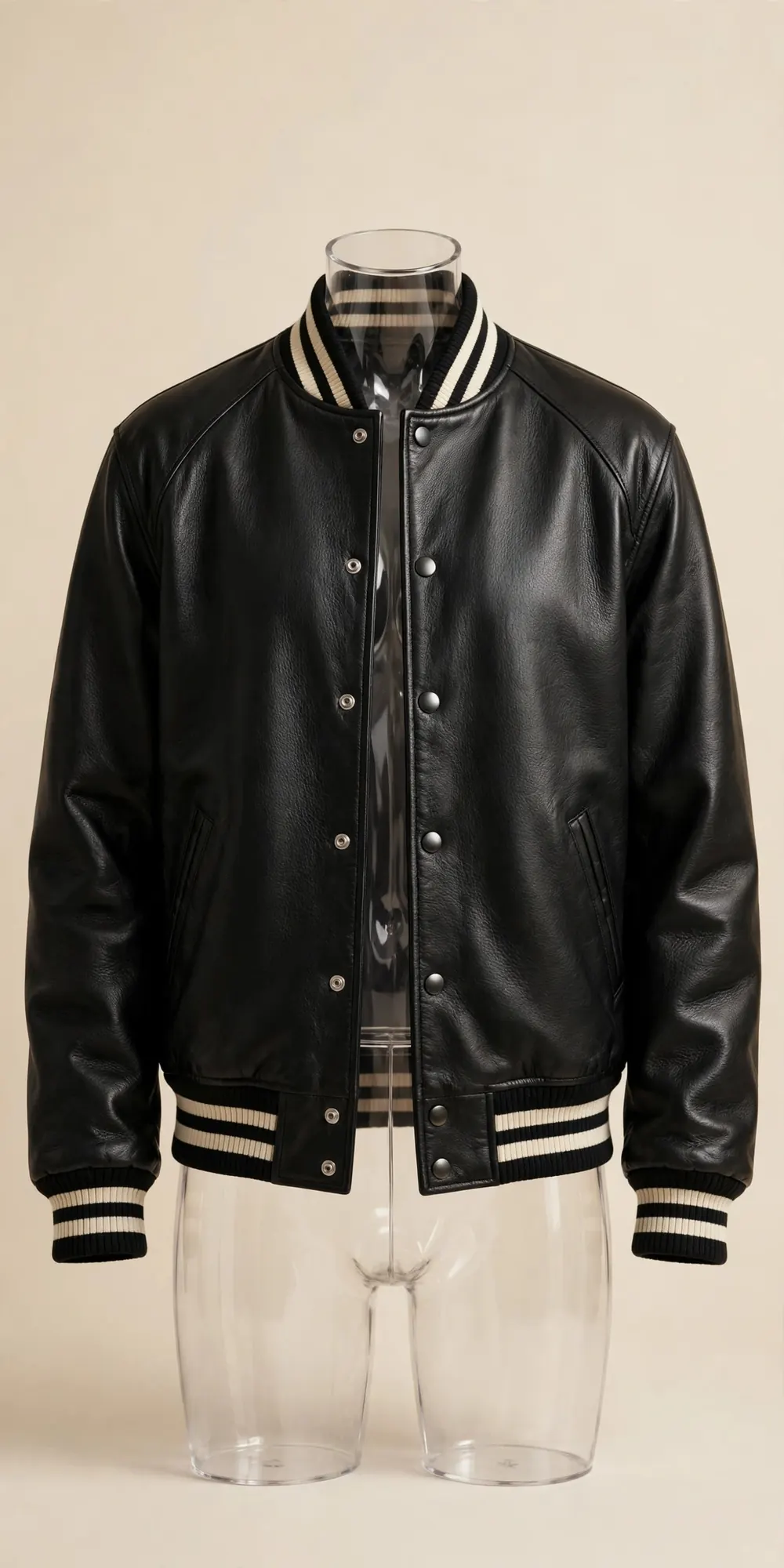
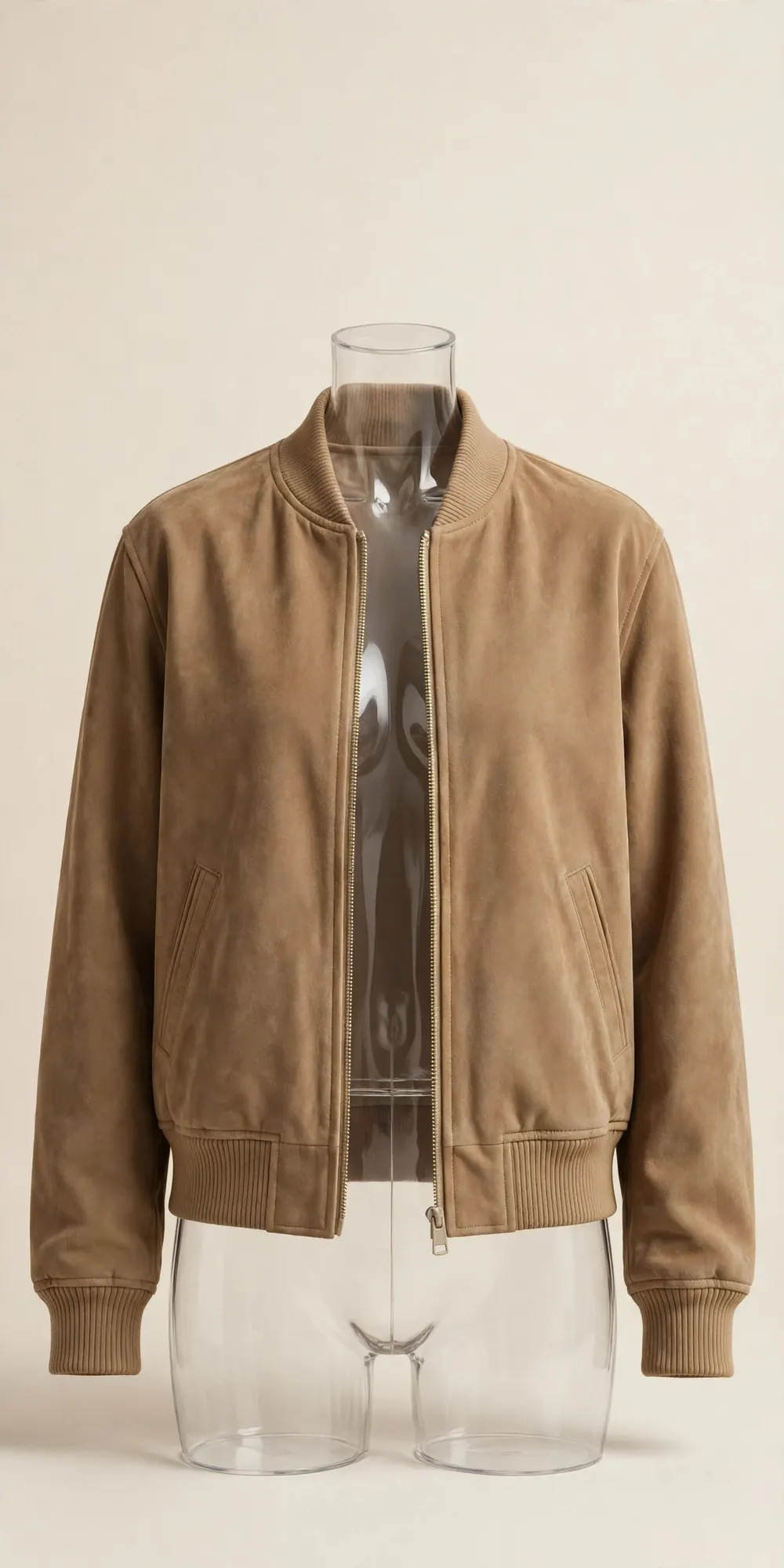
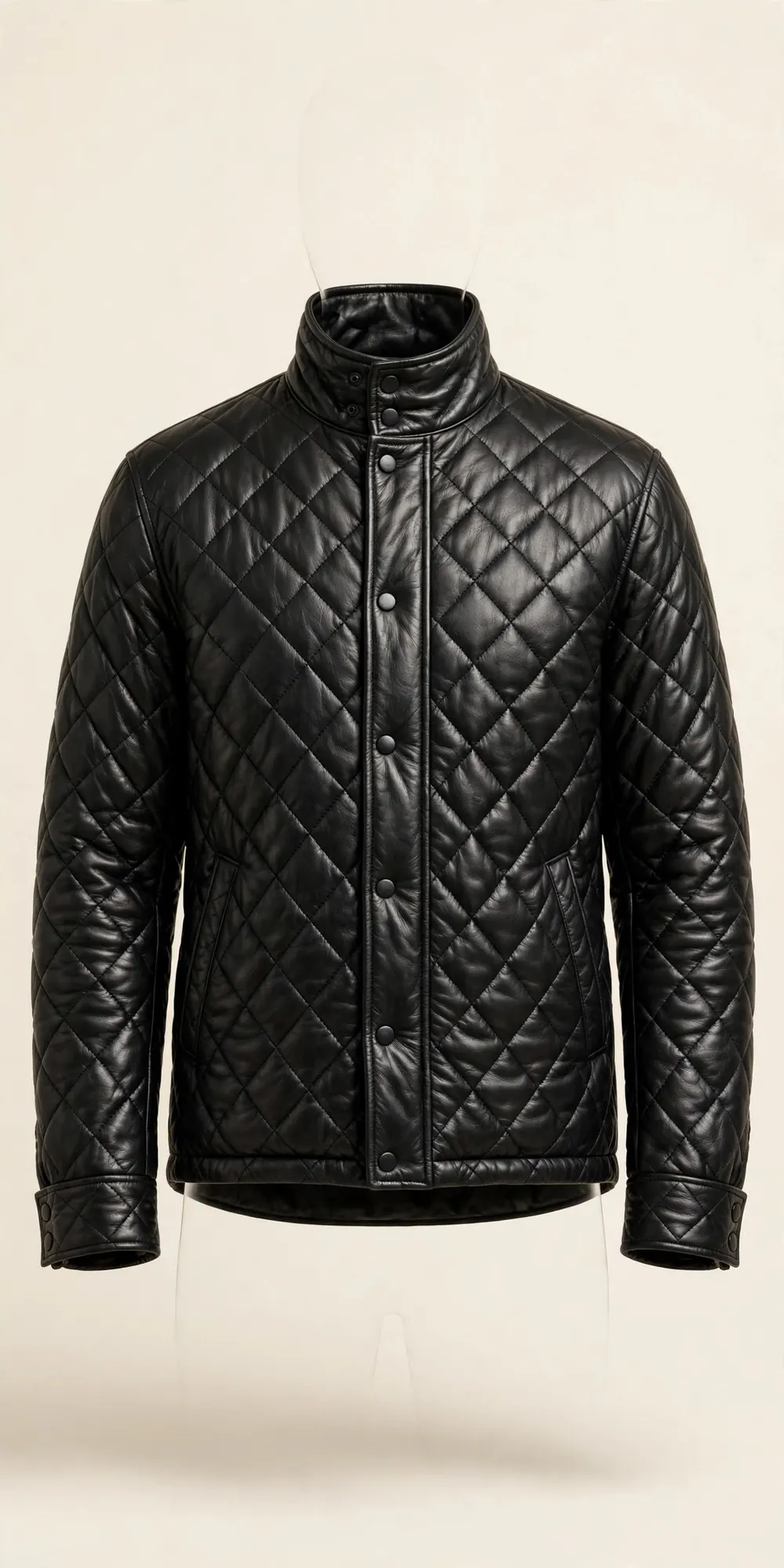
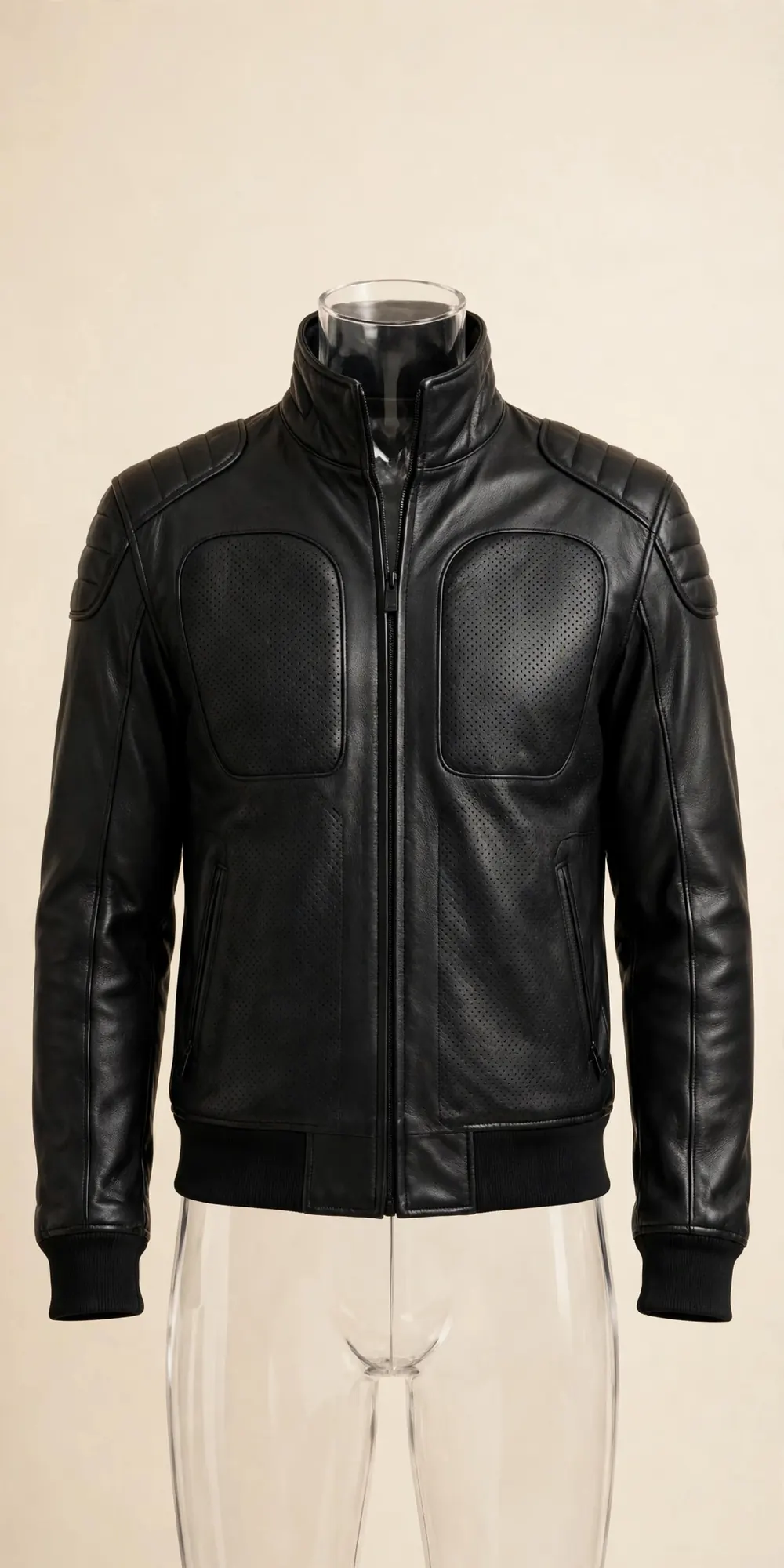
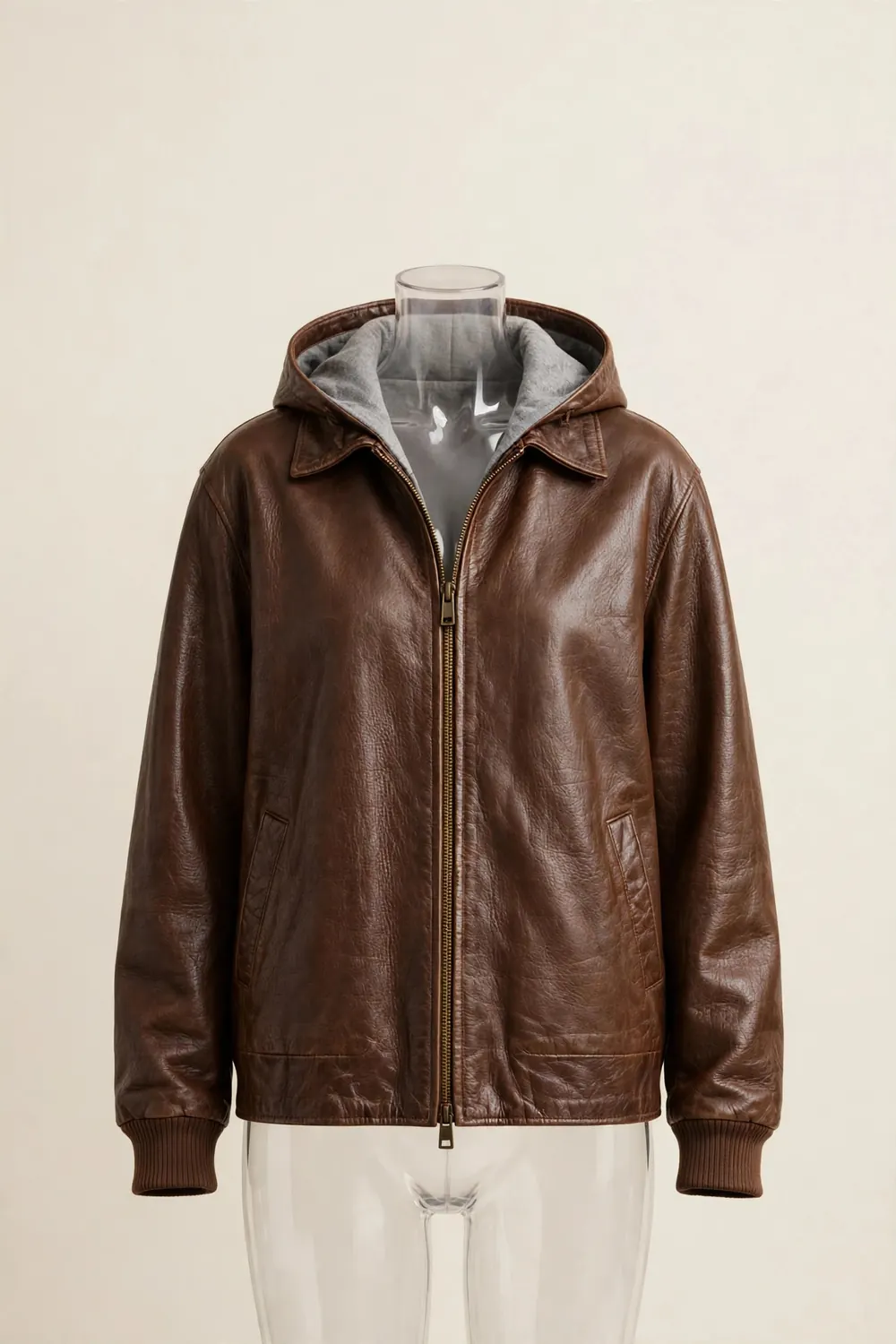
Choosing the right genuine leather depends on use. Cowhide is the workhorse — thickest, most abrasion-resistant, best for bikers and everyday wear. Top-grain offers a cleaner, more uniform surface for smarter styles like our cafe racers. Lambskin is the softest and lightest, suited to fitted women's styles and minimalist jackets. Suede trades water resistance for texture and asks for a protector spray. Shearling is the winter specialist. Each product page lists thickness in millimetres where it matters, so you can compare like with like before ordering.
If you are weighing genuine against faux, the honest summary is this: faux leather costs far less, needs no conditioning and suits shoppers avoiding animal products, but it will not last as long or age as gracefully. Our faux styles are in their own category, clearly labelled synthetic. Here, in the genuine leather collection, what you see is what the hide says — compare the styles, read the specifications, and buy the jacket you intend to keep.
The cost-per-wear case, with real numbers. Take a $249 genuine leather jacket worn just forty days a year — a conservative figure for a favourite piece — across a fifteen-year life: that is six hundred wears at about forty cents a wear, and the jacket will look better in year ten than in year one. A $129 faux jacket replaced every four years across the same period costs more in total and looks its age throughout. This is the actual economics behind the genuine leather premium, and it is why our guidance is always the same: if you can stretch to genuine leather in the style you truly want, it is the cheaper purchase over any honest timeframe. Buy it once, condition it twice a year, hang it properly, and the decision is finished — which is more than can be said for most of a wardrobe.
Prices in USD — switch to CAD in the header for approximate converted prices.
Genuine Leather Jackets — Frequently Asked Questions
What does 'genuine leather' actually mean?
It means the material is real animal leather, but the term itself refers to a grade below full-grain and top-grain — a split leather layer with a finished surface. It is durable and far longer-lasting than faux leather, but less premium than full-grain. Our guide to leather grades explains all five types.
Is a genuine leather jacket worth the money?
For most buyers, yes: a genuine leather jacket typically lasts 15–25 years, moulds to your body, and develops patina instead of peeling. Cost per wear over its life is usually lower than repeatedly replacing synthetic jackets. It does need occasional conditioning and proper storage.
How can I tell if a leather jacket is real leather?
Real leather has irregular, natural grain (no two areas identical), absorbs a drop of water slowly, feels warm rather than plastic, and has a suede-like unfinished edge or backing. Perfectly uniform embossed grain and a woven fabric backing usually indicate faux leather.
Which genuine leather is best for a jacket?
Cowhide for durability, lambskin for softness and drape, top-grain for a clean smart finish, suede for texture, and shearling for winter warmth. The right choice depends on the style and climate — each of our product pages states the hide and its thickness.
How do I care for a genuine leather jacket?
Condition it once or twice a year, store it on a wide hanger in a breathable cover, air-dry it away from heat if it gets wet, and use a professional leather cleaner for deep cleans. Suede needs a protector spray and brush instead. See our Leather Care Guide for the full routine.
Related Collections
Faux Leather Jackets · Suede Jackets · Shearling & Sheepskin Jackets